Uncovering how evaluation metrics for digital gaming venues align with support networks for at-risk participants across emerging portable platforms
Lars Klein · Oct 17, 2026
Uncovering how evaluation metrics for digital gaming venues align with support networks for at-risk participants across emerging portable platforms
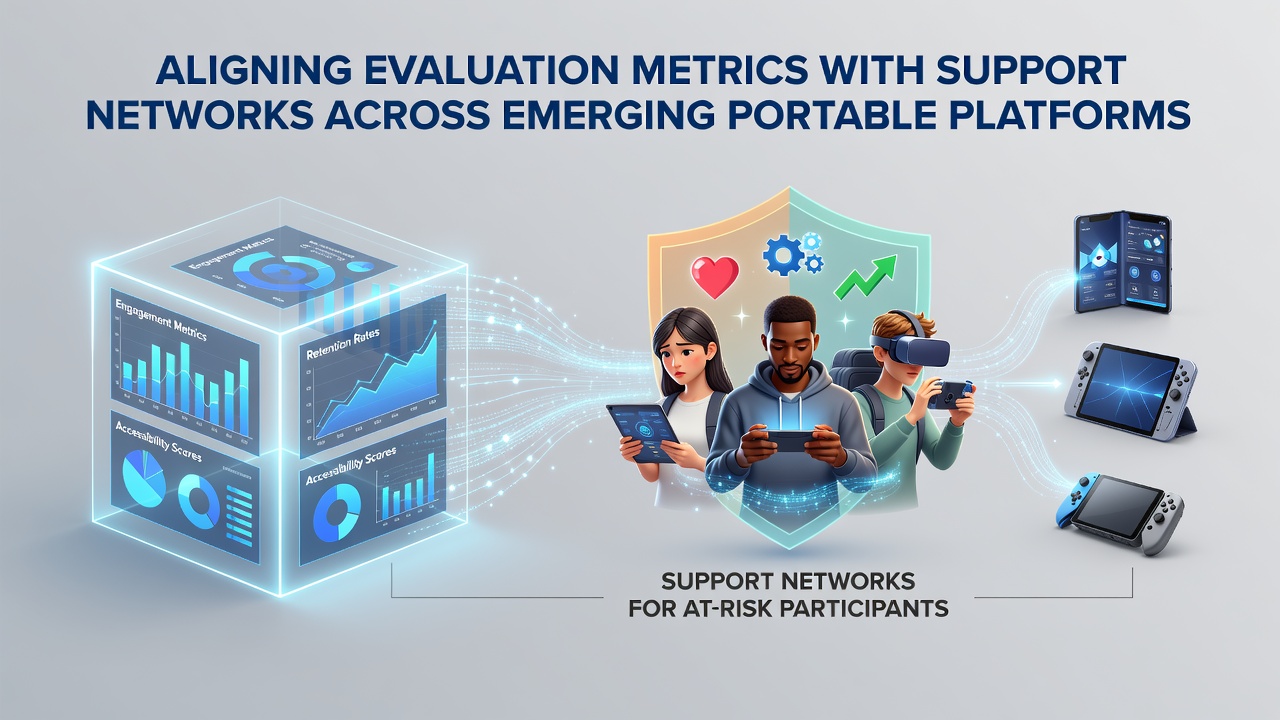
Evaluation metrics in digital gaming venues now track player behavior patterns across mobile devices with increasing precision, and these same systems connect directly to support networks designed for at-risk individuals. Researchers at multiple institutions have documented how session duration data, deposit frequency indicators, and loss limit triggers feed into algorithms that flag potential concerns before operators intervene through established helplines or in-app resources.
Metrics that define venue performance on portable platforms
Operators measure success through a combination of retention rates, average revenue per user, and engagement time, yet regulatory frameworks in several jurisdictions require these figures to incorporate responsible gambling signals. Data compiled in October 2026 revealed that mobile platforms accounted for 68 percent of total digital wagering volume in monitored markets, with evaluation tools now logging voluntary limit-setting actions alongside standard performance indicators. Those who study these systems note that alignment occurs when operators integrate self-exclusion requests into the same dashboards used for marketing optimization.
Portable platforms introduce additional layers because users switch between apps and browsers within single sessions. Studies conducted by academic teams show that cross-device tracking improves identification of at-risk patterns by 22 percent compared with single-platform monitoring alone. Evaluation criteria therefore include not only total playtime but also the speed at which players adjust deposit limits after receiving automated alerts.
Support networks that operate alongside mobile evaluation systems
Support networks range from national helplines to embedded chat features within gaming applications. In Canada, the Canadian Centre on Substance Use and Addiction maintains databases that receive anonymized metric feeds from participating operators, allowing counselors to contact individuals who exhibit repeated high-intensity sessions. Similar programs in Australia route flagged accounts toward state-funded counseling services when mobile metrics exceed predefined thresholds for consecutive days of play.
These networks rely on standardized data fields such as time between deposits and changes in bet sizing. When operators apply the same evaluation metrics used for revenue forecasting to these fields, support referrals increase without requiring separate reporting pipelines. Observers note that seamless data handoff reduces the lag between detection and outreach from an average of 14 days to under 72 hours in documented cases.
Integration points between metrics and intervention tools
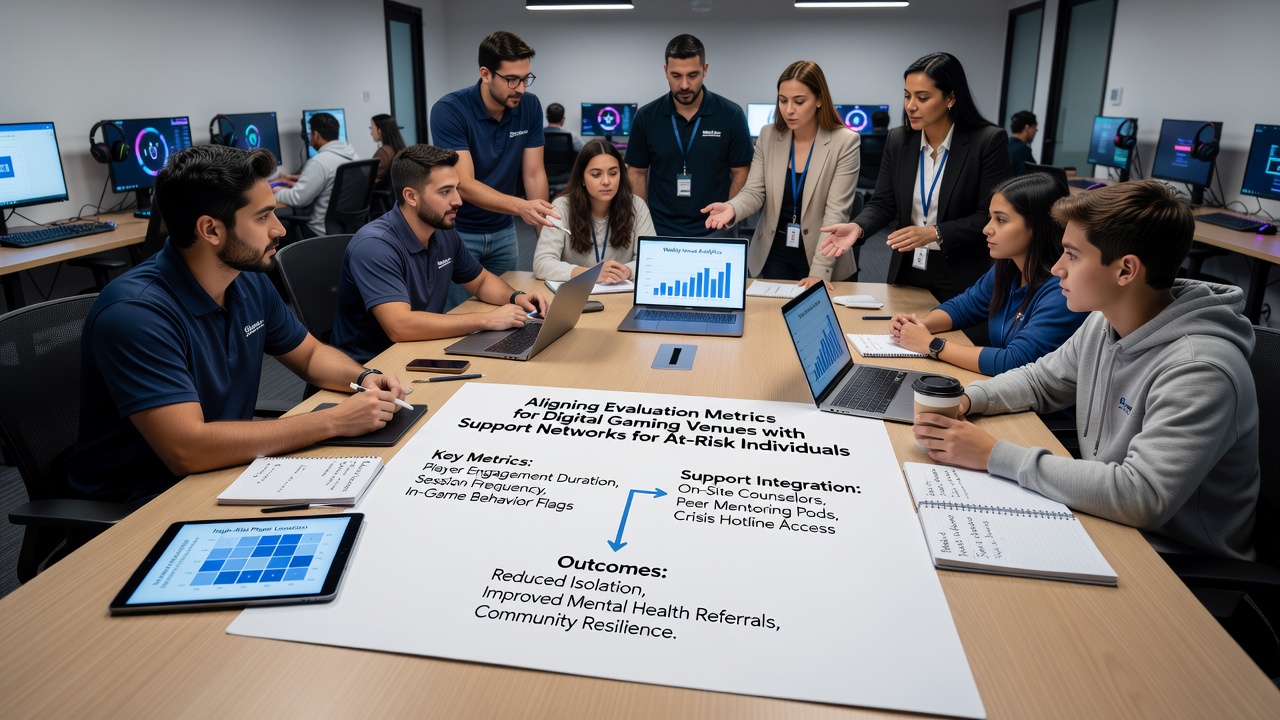
Integration happens at several levels. First, operators configure their analytics platforms to treat responsible gambling events as key performance indicators rather than compliance checkboxes. Second, third-party auditors verify that flagged accounts receive priority routing to support services. Third, regulatory bodies in multiple regions require periodic audits that cross-reference raw behavioral data with actual referral outcomes.
One documented implementation in European markets links deposit velocity alerts directly to temporary session pauses, after which players receive links to localized support resources. Research indicates that this approach maintains player retention for moderate users while increasing successful referrals among those who trigger multiple alerts within a 30-day window. The same datasets also feed into broader industry reports that track year-over-year changes in at-risk identification rates.
Challenges that remain in emerging portable environments
Emerging portable platforms include foldable devices, cloud gaming services, and integrated wallet systems that operate across borders. These environments complicate evaluation because session boundaries blur when users move between hardware and payment methods. Data from October 2026 showed that 31 percent of mobile wagering sessions now span multiple device types within a single day, requiring updated metric definitions that account for continuity rather than isolated app usage.
Support networks face parallel challenges when referral protocols must adapt to different privacy regulations across jurisdictions. Alignment improves when operators adopt interoperable data standards that preserve anonymity while still allowing counselors to access relevant behavioral summaries. Industry associations have begun publishing technical guidelines that standardize these handoff processes, reducing fragmentation that previously delayed interventions.
Conclusion
Evaluation metrics for digital gaming venues continue to evolve alongside support networks for at-risk participants on portable platforms. When operators apply consistent data fields to both revenue tracking and responsible gambling triggers, referral pathways become more direct. Continued refinement of cross-device monitoring and standardized reporting protocols will determine how effectively these systems scale as mobile platforms expand into new hardware and payment formats.