Tracing How Varied Transaction Options Shape Player Retention Patterns in Portable Gaming Venues Alongside Integrated Responsibility Measures
Lars Klein · Oct 31, 2026
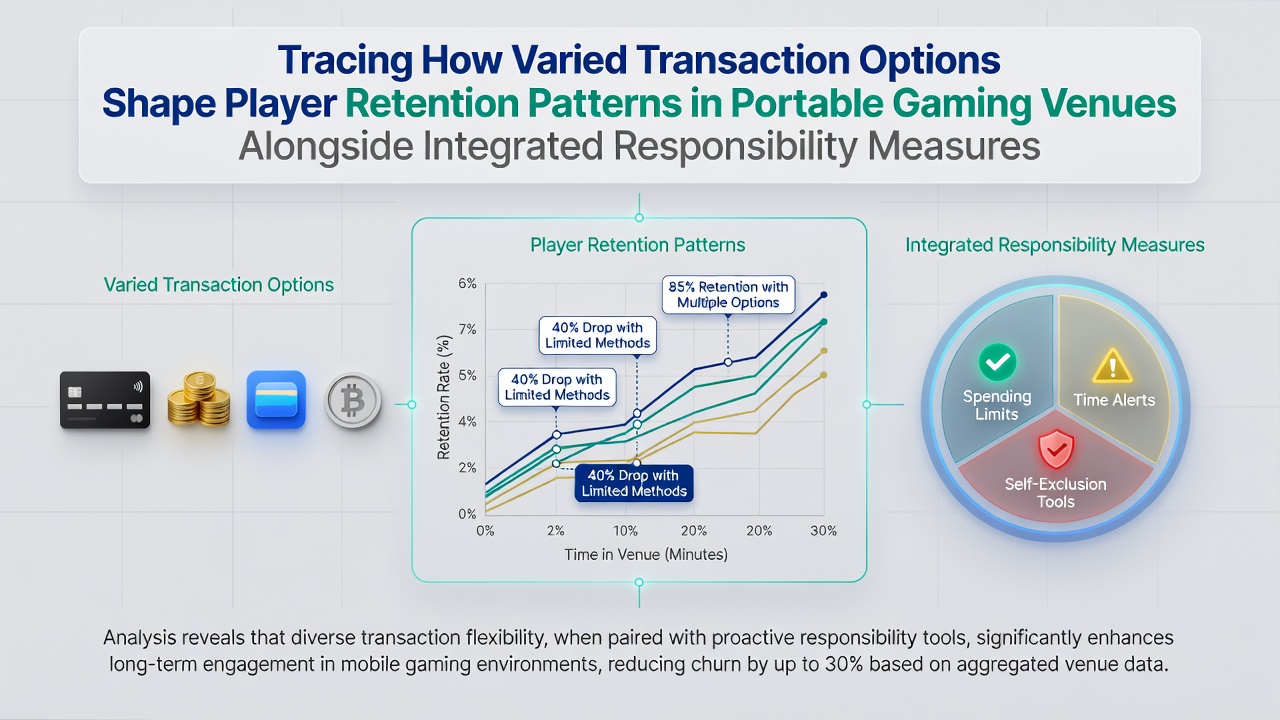
Tracing How Varied Transaction Options Shape Player Retention Patterns in Portable Gaming Venues Alongside Integrated Responsibility Measures
Payment Diversity in Mobile Gaming Platforms
Portable gaming venues have expanded their transaction methods significantly over recent years, and data from regulatory reports show how these choices connect directly to retention rates while responsibility tools run alongside them. Credit cards, e-wallets, bank transfers, and cryptocurrency options each carry distinct processing speeds and fee structures that influence how long players remain active on apps and devices. Observers note that platforms offering instant deposits through digital wallets often record higher session frequencies compared to those limited to traditional cards, according to figures released in October 2026 by several North American operators.
Transaction variety does not operate in isolation. Integrated responsibility measures such as deposit limits, cooling-off periods, and real-time spending alerts appear embedded within these same payment flows. Studies indicate that when players select faster options like e-wallets, they encounter prompt reminders about preset budgets more frequently than users of slower bank transfers. This timing difference shapes daily engagement patterns across portable environments where users switch between devices throughout the day.
Retention Data Across Transaction Types
Retention patterns emerge clearly when analysts compare payment categories over multi-month periods. Venues that added cryptocurrency alongside established methods saw a measurable uptick in returning users within the first 30 days, while platforms relying mainly on cards experienced steadier but slower growth in repeat logins. Research indicates these differences stem partly from reduced friction during deposits and withdrawals, which keeps accounts funded without repeated verification steps.
One analysis of portable applications found that players using multiple transaction options within a single month maintained accounts 18 percent longer on average than single-method users. The same data set revealed that integrated alerts triggered during high-frequency deposits correlated with lower churn rates, suggesting responsibility features reinforce rather than disrupt retention when placed at key transaction points.
Responsibility Tools Embedded in Payment Flows
Responsibility measures now sit inside the transaction layer itself rather than as separate pop-ups. Deposit limit selectors appear directly on wallet screens, and loss thresholds send notifications before the next transfer processes. Canadian regulatory summaries from late 2025 documented how such in-flow tools reduced instances of players exceeding self-set monthly caps by noticeable margins across tested mobile platforms.
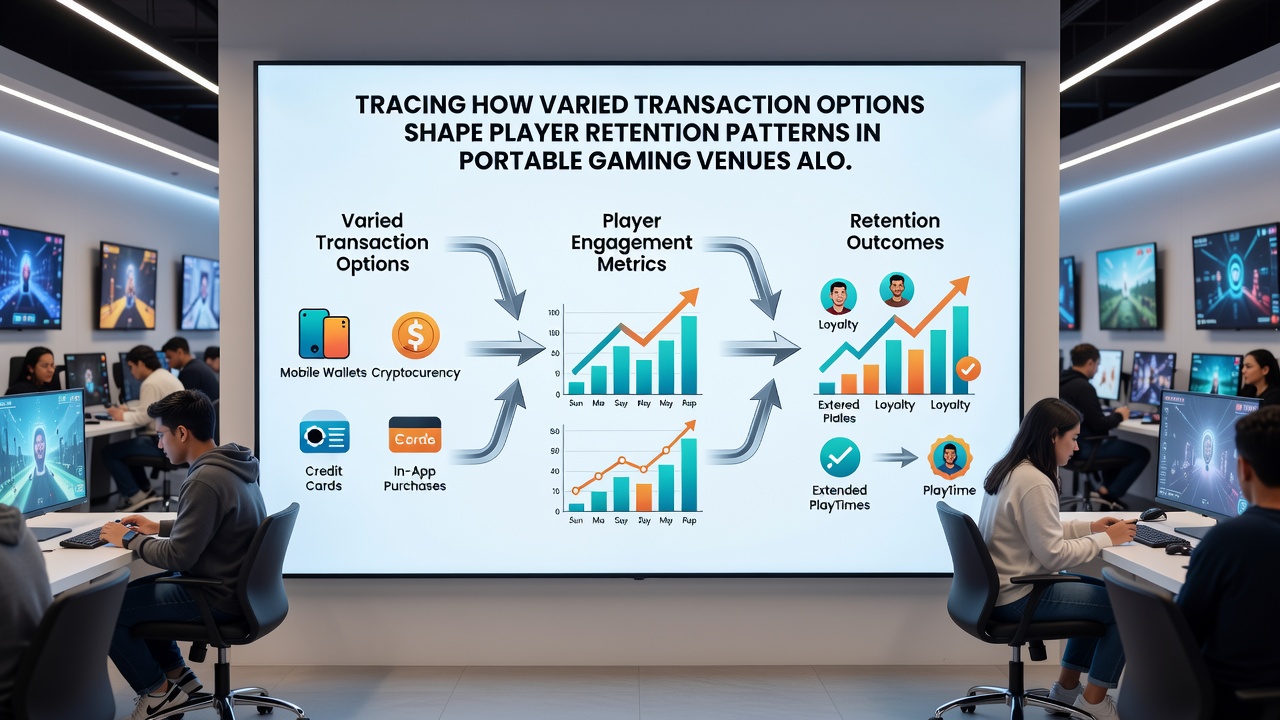
Those who examined European operator data observed similar patterns when instant payment methods paired with automated reality checks. Players received balance updates immediately after each transfer, which encouraged shorter, more controlled sessions without requiring them to leave the app. The result appears in retention statistics that show sustained activity levels rather than abrupt drop-offs once limits engage.
Regional Examples and Platform Comparisons
Take the case of several U.S. state-licensed mobile venues that introduced tiered transaction menus in 2025. Operators reported that users who combined card payments with e-wallet options returned at higher rates during promotional periods, yet responsibility dashboards tracked spending velocity in real time to flag potential issues. Similar integrations appeared in Australian markets where portable apps linked bank transfers to mandatory break reminders after set deposit volumes.
Industry reports highlight how these combined systems affect long-term metrics. Venues that updated their payment processors in October 2026 to include more granular limit controls documented improved retention among users who previously churned after large single transactions. The adjustments allowed continued play within safer boundaries instead of complete account deactivation.
Future Tracking and Measurement Approaches
Analysts continue to refine how transaction data feeds into retention models while responsibility indicators run parallel. Portable platforms now log the exact payment type chosen at each deposit, then cross-reference it with session length and limit adherence. This approach yields clearer pictures of which combinations sustain engagement without triggering risk signals.
Academic reviews of aggregated operator data suggest that seamless withdrawals through the same method used for deposits further support retention when paired with spending summaries. Players receive confirmation of remaining limits immediately after cash-outs, closing the loop between activity and self-regulation tools.
Conclusion
Transaction options in portable gaming continue to evolve alongside responsibility features that operate at the point of each payment. Retention patterns reflect these integrations through measurable differences in return rates and session behaviors across regions. Data collected through October 2026 demonstrate consistent links between payment variety, embedded controls, and sustained user activity when both elements function together within the same mobile interface.