How Promotion Designs in Online Gaming Incorporate Safeguards for Problem Gambling Prevention
Lars Klein · Oct 3, 2026
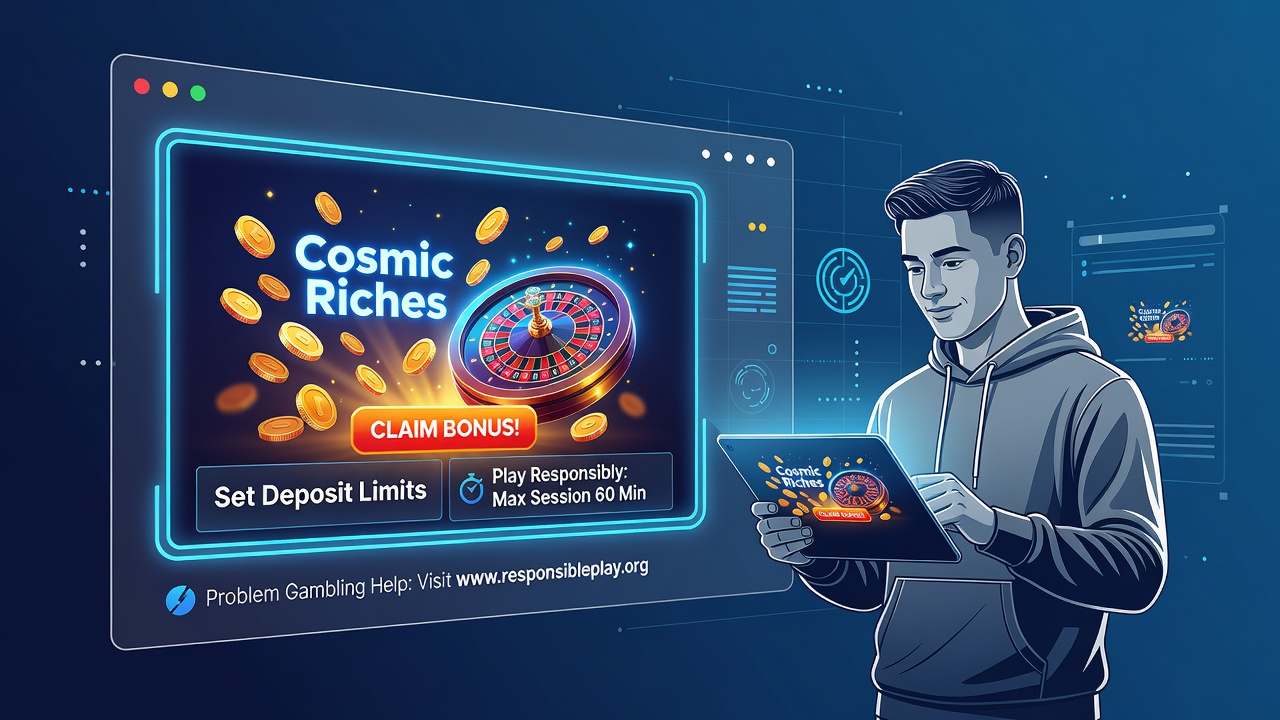
How Promotion Designs in Online Gaming Incorporate Safeguards for Problem Gambling Prevention
Promotion designs in online gaming have evolved to include multiple layers of protection that address problem gambling risks while still delivering player incentives, and operators integrate these measures through careful planning of bonus structures, eligibility rules, and communication strategies. Research from various regulatory bodies shows that these safeguards often appear in the form of mandatory spending caps tied directly to promotional offers, automated reminders about time spent, and direct links to self-exclusion tools that activate during the redemption process.
Core Elements of Safeguarded Promotion Structures
Operators build spending limits into welcome bonuses and loyalty rewards so that players cannot exceed predefined thresholds even when they claim multiple offers in quick succession, and this approach stems from data collected by gaming commissions across different jurisdictions. In October 2026 several major platforms updated their systems to enforce a single daily cap across all active promotions, preventing the stacking of free spins or deposit matches that previously allowed unchecked play volumes. Those who've examined industry reports note that such caps frequently connect to account-level tracking, which pauses further bonuses once a player reaches the threshold and directs them to resources provided by organizations like the National Council on Problem Gambling.
Time-based restrictions also appear in many promotion designs, where bonus funds or spins carry expiration periods measured in hours rather than days, and this forces players to engage at a measured pace instead of rushing through extended sessions. Eligibility checks run automatically before any promotional credit activates, scanning recent deposit patterns and play history to flag accounts that show rapid escalation, while those accounts receive modified offers with reduced value and added cooling-off intervals. Experts observe that this method reduces the intensity of promotional triggers for individuals already demonstrating higher engagement levels.
Integration of Behavioral Tools Within Offers
Many platforms embed pop-up messages and reality checks directly into the bonus claim flow, requiring players to acknowledge current session duration and total amounts wagered before the promotion proceeds, and these interruptions occur at set intervals calibrated to average session lengths reported in platform analytics. The second image below demonstrates a typical interface layout where such prompts appear alongside promotional graphics.
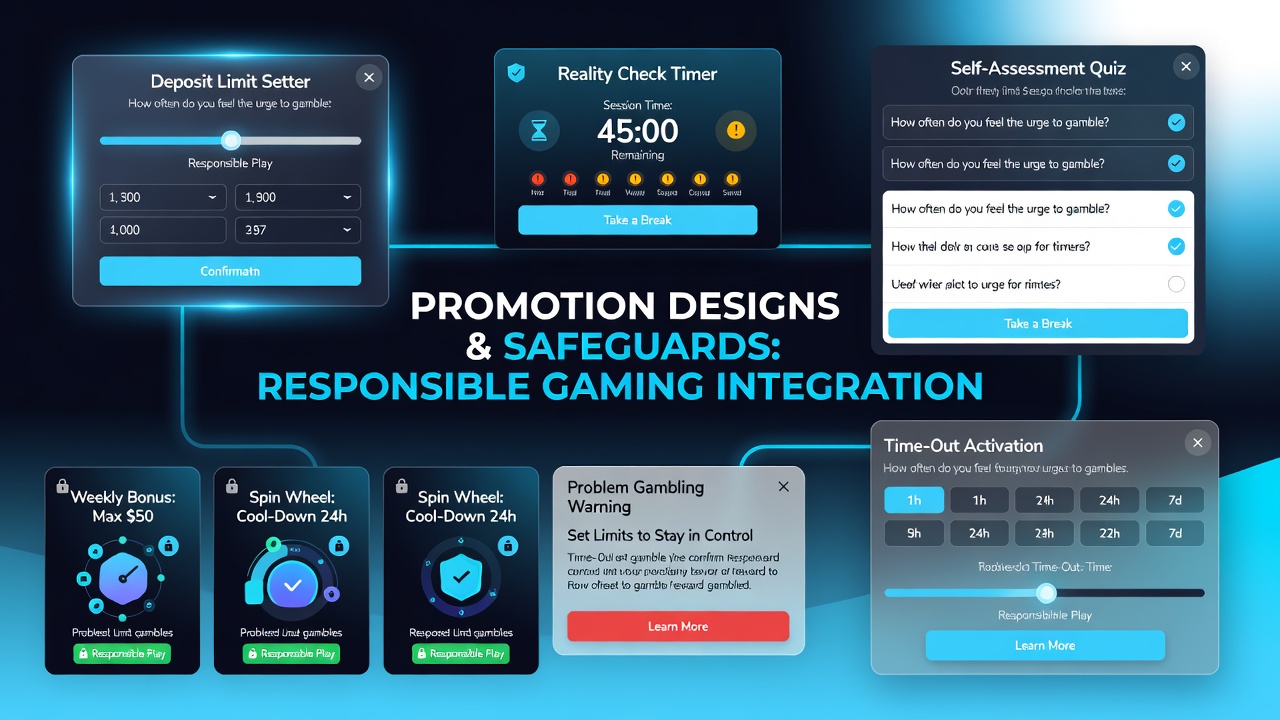
Deposit match promotions often include mandatory contribution to a separate responsible gaming fund or require players to set a personal deposit limit before the bonus activates, and data from the Australian Institute of Family Studies indicates these combined requirements correlate with lower rates of rapid fund depletion among new accounts. Operators also limit the number of simultaneous active promotions per player, capping them at two or three depending on account tenure, which prevents the accumulation of multiple overlapping incentives that could extend play beyond intended boundaries.
Regulatory Influence and Industry Standards
Regulatory frameworks in regions such as Nevada and several Canadian provinces require operators to submit promotion designs for review, with particular attention paid to how bonus terms interact with player protection protocols, and approval hinges on evidence that the offer includes clear opt-out paths and transparent risk disclosures. According to reports from the Nevada Gaming Control Board, reviewed promotions in 2026 increasingly incorporated geo-specific messaging that references local helplines and support services, ensuring players receive relevant information regardless of their location within the regulated market. These reviews examine not only the text of the promotion but also the user journey, confirming that no element encourages continued play after a player has reached a self-imposed limit.
Industry associations have developed voluntary codes that encourage members to test promotion variants through controlled trials before full rollout, and results from these trials feed back into design adjustments that strengthen safeguards without eliminating the appeal of the offers. One documented adjustment involved shifting from unlimited reload bonuses to tiered rewards that unlock only after a player completes a cooling period, and this change emerged after analysis showed reduced repeat deposit frequency among participants in the trial group.
Conclusion
Promotion designs continue to adapt as operators balance commercial goals with protection requirements, incorporating automated checks, spending caps, time limits, and direct access to support tools at multiple points in the player experience. Data collected through 2026 demonstrates measurable effects on play patterns when these elements combine within single offers, and ongoing collaboration between regulators and platforms refines the approach further. The result remains a system where incentives exist alongside mechanisms that help players maintain control over their activity.